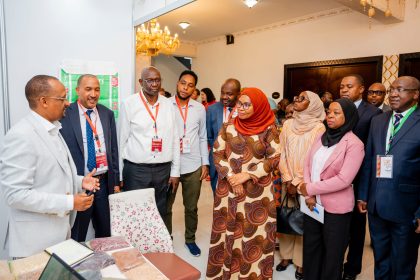
Over 200 delegates gathered at the 11th African Grain Trade Summit (AGTS) under the theme “Resilient Grain Markets: Unlocking Africa’s Food Security Potential”,
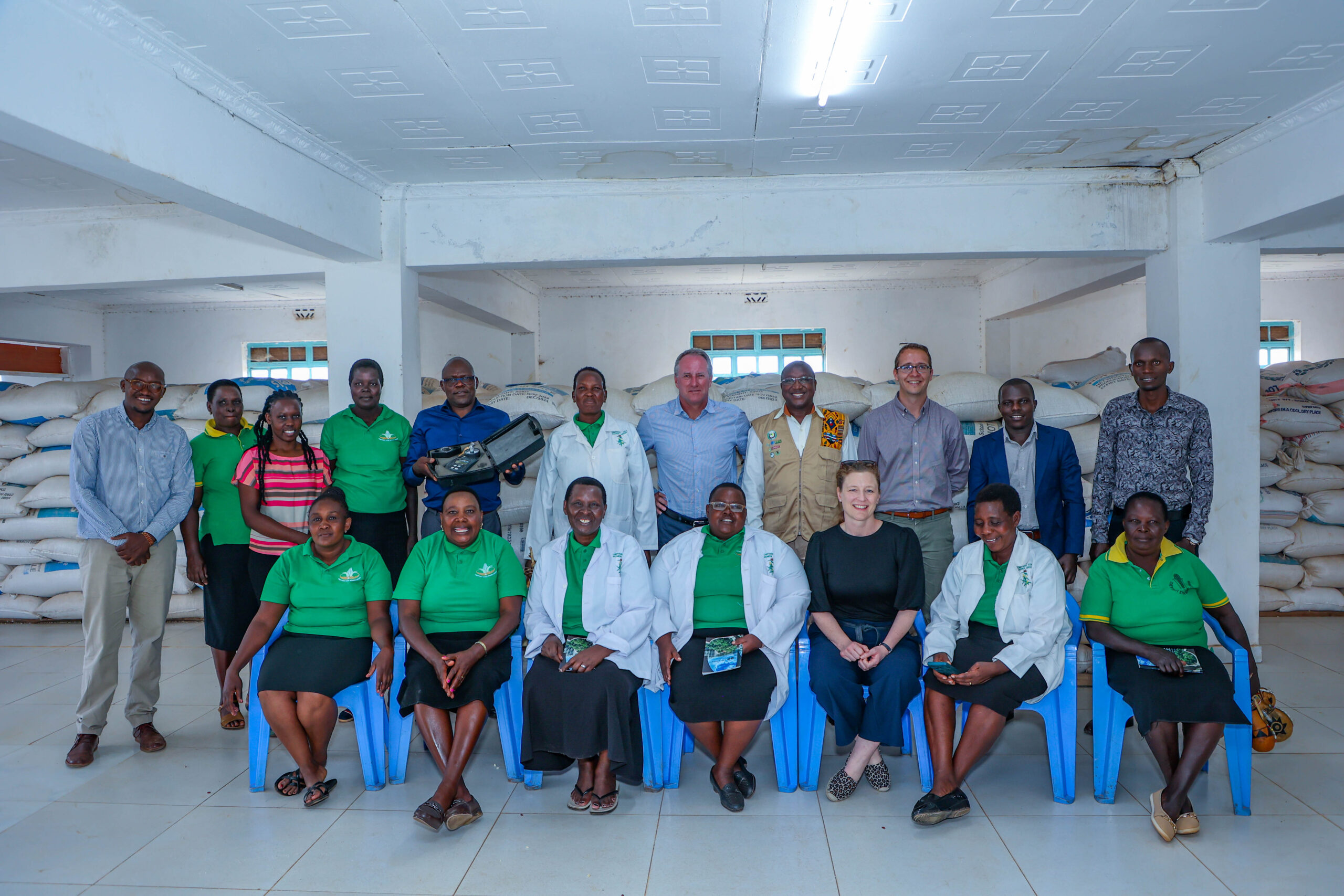
Our mandate spans 10 countries of the Eastern Africa region; Ethiopia, South Sudan, Uganda, Rwanda, Tanzania, Kenya, Burundi, Democratic Republic of Congo, Malawi and Zambia.
The Institute’s efforts are geared towards understanding the existing capacity needs and gaps of the grain value chain stakeholders and proactively responding to them by collectively and collaboratively designing and delivering solutions through training, research, technical advisory and support, mentorship and consultancy services. The overall outcome is enhanced competitiveness of the grain sector with assured optimum returns on investments for all the stakeholders as a result of a functional regional structured trading system.
The EAGC G-Hubs models transform traditional aggregation centers into commercially viable trade units capable of delivering grain trade–related services in a sustainable manner. These EAGC G-Hubs enhances smallholder farmers’ access to quality agricultural inputs such as certified seeds and fertilizer, market information, and knowledge on grain grades and standards.
Driven by our commitment to Structured Grain Trade and industry self-regulation, ICS strengthens trade efficiency by verifying the quality and quantity of stored produce, after which certified warehouses are connected to the G-Soko trade platform to assure buyers of compliance with standards and enable participation in structured trading systems.
The EAGC G-Soko Trading Platform is an electronic system comprising a network of automated grain bulking/ aggregation centres and certified warehouses, linked to a virtual trading platform, as well as participating banks for settlement and clearing, and trading houses (grain buyers/ millers), all regulated and administered by EAGC under the law of contract and operating under defined protocols, procedures, rules, and regulations.
Through this inventory financing solution, EAGC addresses the prevailing liquidity constraints affecting grain suppliers and millers. The solution unlocks access to trade finance for grain buyers who are required to purchase large volumes of grain for onward sale or milling operations but lack adequate collateral to secure conventional borrowing.
Over 200 delegates gathered at the 11th African Grain Trade Summit (AGTS) under the theme “Resilient Grain Markets: Unlocking Africa’s Food Security Potential”,
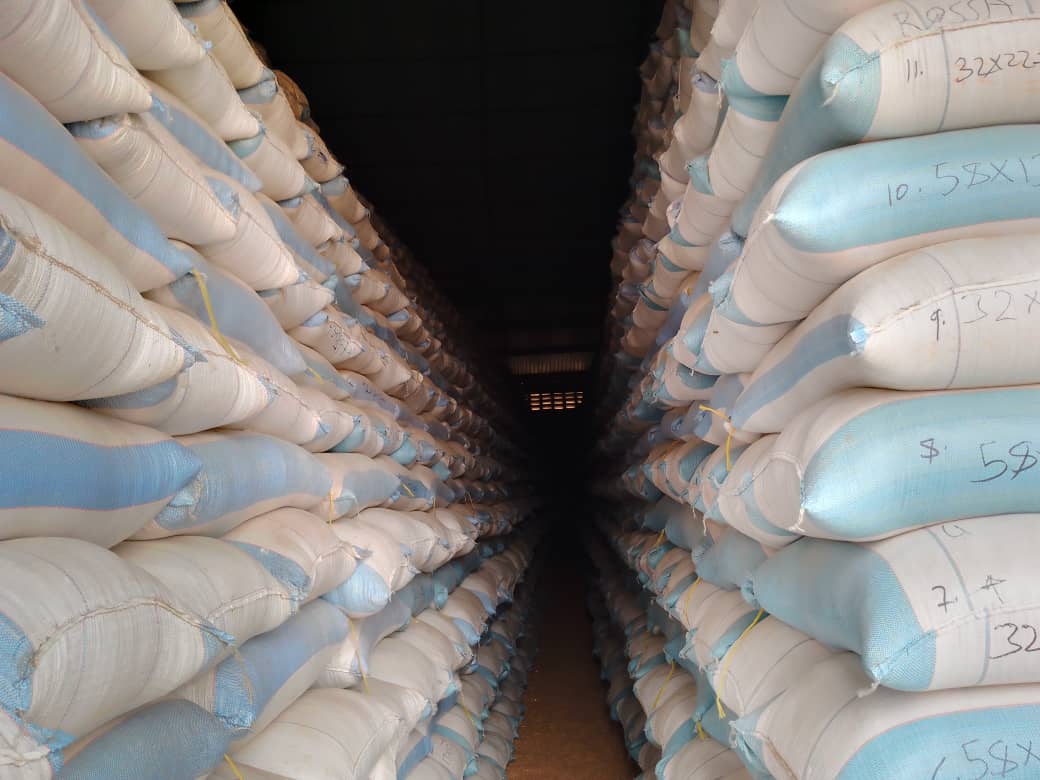
Over the years, Eastern Africa Grain Council (EAGC) has been at the forefront of promoting and facilitating efficient, structured, inclusive sustainable and profitable...

The Eastern Africa Grain Council (EAGC), in collaboration with Kibabii University and County Government of Bungoma, successfully hosted the Western and North Rift...